
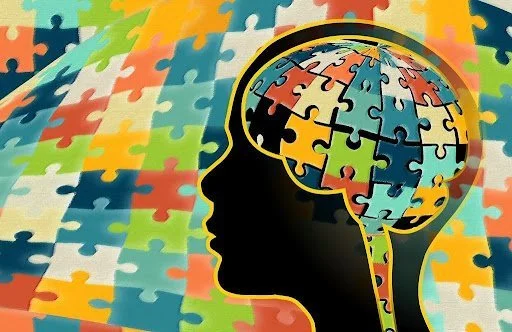
Autism Spectrum Disorder (ASD) is a developmental condition that affects communication, behavior, and social interactions. Recognizing early signs can lead to timely interventions that support your child’s growth and development. Below, we outline key symptoms to watch for based on age and developmental milestones.
Early Signs by Age Group
Infants (0-12 Months)
Limited eye contact
Lack of response to their name
Absence of social smiling
Limited or no babbling
Lack of interest in faces or engaging with caregivers
Toddlers (12-36 Months)
Delayed speech or language development
Unusual reactions to sounds, textures, or lights
Repetitive movements (rocking, flapping hands, spinning)
Difficulty pointing at objects to show interest
Lack of pretend play or imitating others
Limited interest in social interactions with peers
Preschool & Early Childhood (3-5 Years)
Difficulty understanding emotions or expressing their own
Echolalia (repeating words or phrases out of context)
Strong attachment to specific routines and resistance to change
Difficulty engaging in cooperative play
Limited use of gestures (waving, nodding, pointing)
School-Aged Children (5+ Years)
Difficulty making or maintaining friendships
Intense focus on specific topics or interests
Challenges with understanding sarcasm, jokes, or figurative language
Unusual speech patterns, such as monotone or robotic tone
Sensory sensitivities (strong aversion to loud noises, bright lights, or certain textures)
Difficulty with transitions or unexpected changes in routine
Physical and Sensory Indicators
Hypersensitivity or hyposensitivity to sensory stimuli (avoiding touch or seeking pressure)
Unusual gait or motor coordination (tiptoe walking, clumsiness)
Difficulty with fine motor skills (holding utensils, writing, buttoning clothes)
Over- or under-reaction to pain or temperature
Social and Behavioral Differences
Prefers playing alone over engaging with others
Difficulty understanding personal space and social norms
Rigid thinking patterns and struggles with flexible problem-solving
Intense emotional responses or difficulty regulating emotions
When to Seek Professional Guidance
If you notice several of these signs in your child, consider discussing your observations with a pediatrician, developmental specialist, or child psychologist. Early diagnosis and intervention can significantly improve social, communication, and behavioral skills, helping your child thrive in their environment.
Next Steps
Keep a journal of behaviors and developmental concerns.
Seek a formal evaluation from a healthcare professional.
Explore early intervention programs and therapies (speech, occupational, behavioral therapy).
Recognizing the early signs of ASD can empower you to seek the right support and resources for your child. Every child develops at their own pace, but awareness and early intervention make a significant difference in their journey.